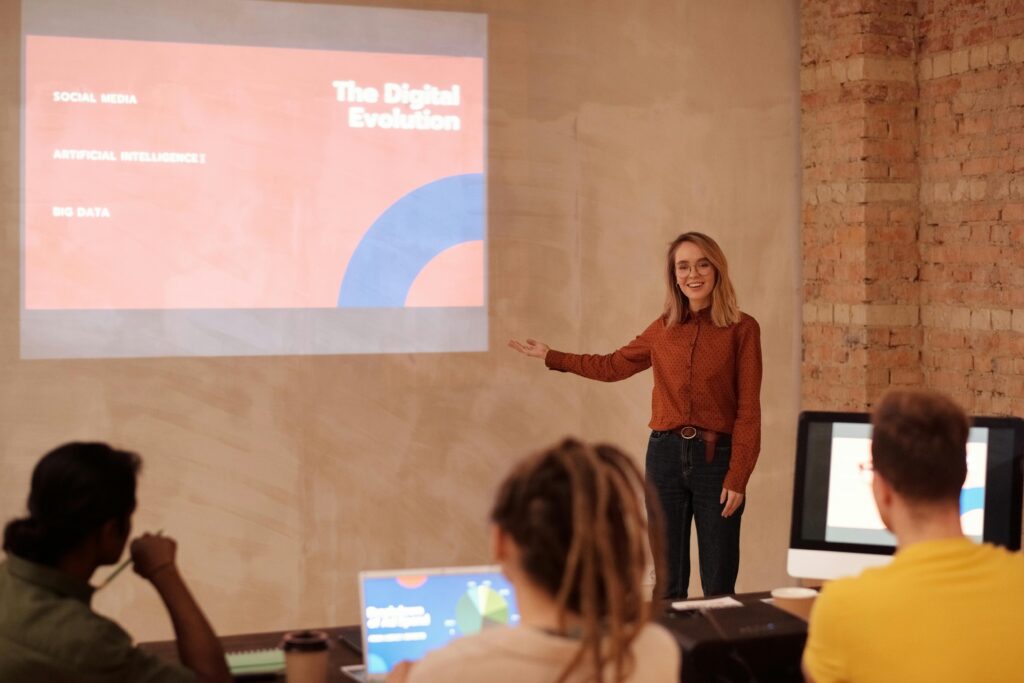
In the evolving landscape of global business, the role of the CEO has become more complex than at any other time in history. Today’s leaders are expected to navigate technological disruption, global competition, organizational culture, investor expectations, and long-term sustainability simultaneously. With so many variables influencing strategic decisions, many executives are discovering that leadership cannot be a solitary journey. This is one of the key reasons business coaching is becoming increasingly essential for modern CEOs.
Business coaching is no longer viewed as a corrective tool used only when organizations face difficulties. Instead, it has evolved into a strategic leadership practice that supports high-performing executives in strengthening clarity, decision-making, and long-term vision. Across industries, CEOs are recognizing that even the most experienced leaders benefit from having a trusted thinking partner who can provide perspective, challenge assumptions, and guide reflection. In many ways, business coaching serves as the intellectual mirror that allows leaders to see their decisions more objectively.
One of the most important challenges CEOs face today is strategic complexity. Companies operate in environments where market conditions change rapidly and technological innovations reshape industries almost overnight. According to global leadership research reports, more than 70 percent of executives believe that the pace of change in business has accelerated significantly in the past decade. In such conditions, CEOs must constantly reevaluate their strategies and make decisions with incomplete information. Business coaching provides a structured framework that allows leaders to step back from day-to-day operations and examine the bigger picture of their organizations.
Another reason why business coaching has become essential is the growing importance of leadership self-awareness. Historically, corporate leadership focused heavily on technical skills and operational expertise. However, modern organizations require leaders who can inspire teams, manage emotional dynamics, and create cultures that support innovation. Business coaching often focuses on helping CEOs understand their own leadership style, communication patterns, and decision-making tendencies. When leaders become more aware of their own behaviors, they are better equipped to influence the organizations they lead.
Modern CEOs also face the challenge of decision fatigue. At the top of any organization, every major decision eventually reaches the CEO’s desk. Whether it involves strategic partnerships, financial investments, leadership appointments, or risk management, the responsibility can become overwhelming. Business coaching helps leaders develop mental frameworks for evaluating complex decisions. Instead of reacting to problems as they arise, CEOs learn to approach decisions with structured thinking, prioritization, and clarity.
Another important benefit of business coaching is the ability to build stronger leadership teams. Many CEOs discover that scaling a company requires more than individual excellence; it requires the development of capable leaders across the organization. Through coaching conversations, CEOs often explore how to delegate effectively, empower senior managers, and build accountability within leadership teams. When leadership responsibilities are distributed effectively, organizations become more agile and resilient.
Data from leadership development studies shows that organizations investing in coaching programs often experience measurable improvements in executive performance and organizational alignment. While the outcomes of coaching vary depending on the individual and the organization, many leaders report that coaching significantly improves their ability to prioritize strategic initiatives and maintain focus on long-term objectives. In a world where executives face constant distractions, the ability to maintain clarity becomes one of the most valuable leadership assets.
Another factor contributing to the rise of business coaching is the increasing emphasis on organizational culture. Modern companies recognize that culture influences everything from employee engagement to innovation and retention. CEOs play a critical role in shaping this culture, but doing so requires consistent leadership behavior and clear communication. Business coaching often helps leaders define the values and principles that should guide their organizations. When CEOs align their actions with these values, they create cultures that inspire trust and collaboration.
The rise of entrepreneurship and family businesses has also increased the demand for business coaching. Many founders build successful companies through intuition and determination, but as their businesses grow, they encounter challenges that require new leadership skills. Transitioning from founder-led management to professional leadership structures can be difficult without external guidance. Business coaching provides a bridge that helps founders evolve into strategic leaders capable of managing larger enterprises.
In addition to leadership development, business coaching also supports personal resilience. The CEO role can be isolating. Executives often feel that they cannot openly discuss uncertainties or doubts within their organizations. A business coach provides a confidential environment where leaders can explore their concerns, reflect on their challenges, and refine their thinking. This space for honest dialogue helps CEOs maintain emotional balance while navigating high-pressure situations.
Another reason business coaching is becoming essential is the growing expectation that companies must balance profit with purpose. Modern stakeholders—employees, customers, and investors—expect organizations to demonstrate social responsibility and long-term value creation. CEOs must integrate ethical considerations, environmental responsibility, and social impact into their strategies. Business coaching helps leaders explore these broader responsibilities and align them with sustainable business models.
Technology has also transformed the way businesses operate, and CEOs must continuously adapt to new innovations. From artificial intelligence to digital transformation, technological shifts require leaders to rethink traditional business models. Business coaching often includes discussions about how organizations can embrace innovation while maintaining stability. By exploring new perspectives, CEOs can approach technological disruption with confidence rather than uncertainty.
One of the most powerful aspects of business coaching is its emphasis on structured reflection. In the fast-paced environment of modern corporations, leaders rarely have time to reflect deeply on their decisions. Coaching conversations create deliberate moments of reflection that allow CEOs to analyze their actions, evaluate outcomes, and refine their strategies. This reflective process often leads to insights that significantly improve leadership effectiveness.
Over time, the relationship between a CEO and a business coach becomes a partnership built on trust and intellectual challenge. The coach does not make decisions for the leader but instead asks the questions that encourage deeper thinking. This questioning process often leads to breakthroughs in strategy, leadership style, and organizational direction. CEOs who engage in coaching frequently describe it as one of the most valuable investments in their professional development.
Looking ahead, the importance of business coaching will likely continue to grow. As organizations become more complex and global markets become more interconnected, the need for thoughtful leadership will only increase. CEOs who cultivate the habit of reflective thinking, strategic dialogue, and continuous learning are better prepared to guide their organizations through uncertainty.
Ultimately, business coaching represents a shift in how leadership is understood. It recognizes that even the most accomplished executives benefit from perspective and dialogue. Rather than relying solely on individual experience, modern CEOs are embracing collaborative thinking and disciplined reflection. In doing so, they are redefining leadership for a new era of business.
In the end, the success of an organization often mirrors the clarity of its leadership. CEOs who invest in business coaching are not simply seeking advice; they are investing in their ability to think more clearly, lead more effectively, and build organizations that thrive in a rapidly changing world. As leadership challenges continue to evolve, business coaching will remain one of the most valuable tools for modern CEOs striving to create sustainable and meaningful impact.
FAQs
- Why is business coaching important for CEOs?
Business coaching helps CEOs gain strategic clarity, improve decision-making, and strengthen leadership effectiveness. - Can experienced CEOs still benefit from business coaching?
Yes. Even highly experienced leaders benefit from external perspective, structured reflection, and strategic dialogue. - Does business coaching focus only on business strategy?
No. Business coaching also addresses leadership mindset, team development, culture, and decision-making. - How does business coaching improve leadership performance?
By encouraging reflection, challenging assumptions, and helping leaders develop clearer strategies and priorities. - Is business coaching becoming more common globally?
Yes. Many organizations worldwide now invest in coaching to support executive leadership and organizational growth.